


Free OnlyFans Page Red Flags: A Subscriber Checklist
Understanding how a free OnlyFans page works is the first step toward avoiding wasted time and mistaken follows. A free page sets its subscription price at $0, which means the creator earns through pay-per-view messages and tips rather than a monthly charge. That model is legitimate, but it also attracts pages that look active while offering little of value. This checklist explains the signals that separate a real free page from a fake, inactive, or misleading one.

Paid subscriptions on the platform run from $4.99 at the minimum to $49.99 at the maximum, with typical paid pages sitting between $4.99 and $15. The average paid subscription lands somewhere in the $5 to $10 range. There is no base price below $4.99, and only promotional first months may dip lower than that floor. Because a free page skips the subscription entirely, the warning signs have to be read from behaviour rather than price.
OnlyFans has no built-in discovery feed or directory, so subscribers cannot browse a central list of creators inside the app. That gap is the reason ranking sites and directories exist, and it is also the reason fake pages can sit unnoticed for months. When there is no official feed, a page’s own profile becomes the main evidence you have. Reading that evidence carefully is the whole job.
Profile basics
Before tapping follow on any free page, spend a minute on the profile itself. These details are quick to check and they filter out a large share of low-effort or copied pages. None of them require payment or a message.
- Account age: a page created days ago with a full media library is a contradiction worth noting.
- Post count versus account age: a high count on a new account usually means bulk uploads.
- Profile photo consistency: the avatar, banner, and post images should look like the same person.
- Bio completeness: a real bio states what the page covers and how often it posts.
- Link behaviour: external links should point somewhere consistent with the bio.
- Username pattern: strings of random numbers or misspelled words often signal a throwaway page.
- Verification badge presence, if the creator has one, and whether it matches the name used elsewhere.
A page that fails two or three of these checks is not automatically fake, but it deserves more scrutiny before you follow. A page that fails most of them rarely improves after you follow. BestOnlyFans and similar directories group pages partly on these basics, which is why the checks matter to ranking sites too.

Activity signals
Activity is the hardest thing to fake over time. A page can copy photos, but it cannot easily fake a steady posting rhythm and a real reply pattern. Compare the two side by side.
| Last post date | Reply pattern | Reading |
|---|---|---|
| Within 7 days | Replies within a day or two | Consistent with an active page |
| Within 30 days | Replies occasionally | Plausible for a part-time creator |
| Over 60 days | No replies at all | Likely dormant or abandoned |
| No visible posts | Automated welcome message only | High risk of a placeholder page |
Dates matter more than volume. One post per week for a year tells you more than fifty posts uploaded in a single afternoon. Reply patterns matter because an inactive page rarely answers messages, while a managed page usually does. If both columns point the same direction, trust that reading.

Bio clues
Bios are copied more often than photos, because text is easier to lift. A recycled bio is one of the clearest signs that a page was assembled quickly rather than built by its owner. Watch for these patterns.
- Identical wording appearing across several unrelated profiles.
- Claims about posting frequency that the post history does not support.
- Contact details pointing to a generic handle with no history.
- Emoji-heavy text with no plain description of the page.
- Prices or offers stated in the bio that contradict the page’s own settings.
- Broken or dead links, which suggest the bio was copied and never updated.
Practical tip: if a bio promises daily posts, open the post history and count the last fourteen days before you follow. A mismatch of more than a few days is a reliable early warning about how the page is actually run.
Copied bios often travel with copied photos, so check both together. If the wording is generic and the images look like stock or reposts, the page is likely building reach rather than offering anything original.

Verification steps
Cross-checking across public profiles takes a few minutes and catches most impersonation attempts. The goal is not to confirm identity with certainty, but to find contradictions that a real creator would not have.
- Compare the profile photo with the same creator’s public social accounts.
- Check whether the bio links match the handles used elsewhere.
- Look for the same posting style and topics across platforms.
- Confirm the account age roughly matches the claimed start date.
- Search the username for duplicate pages using the same name.
- Note whether any public account warns about an impersonator.
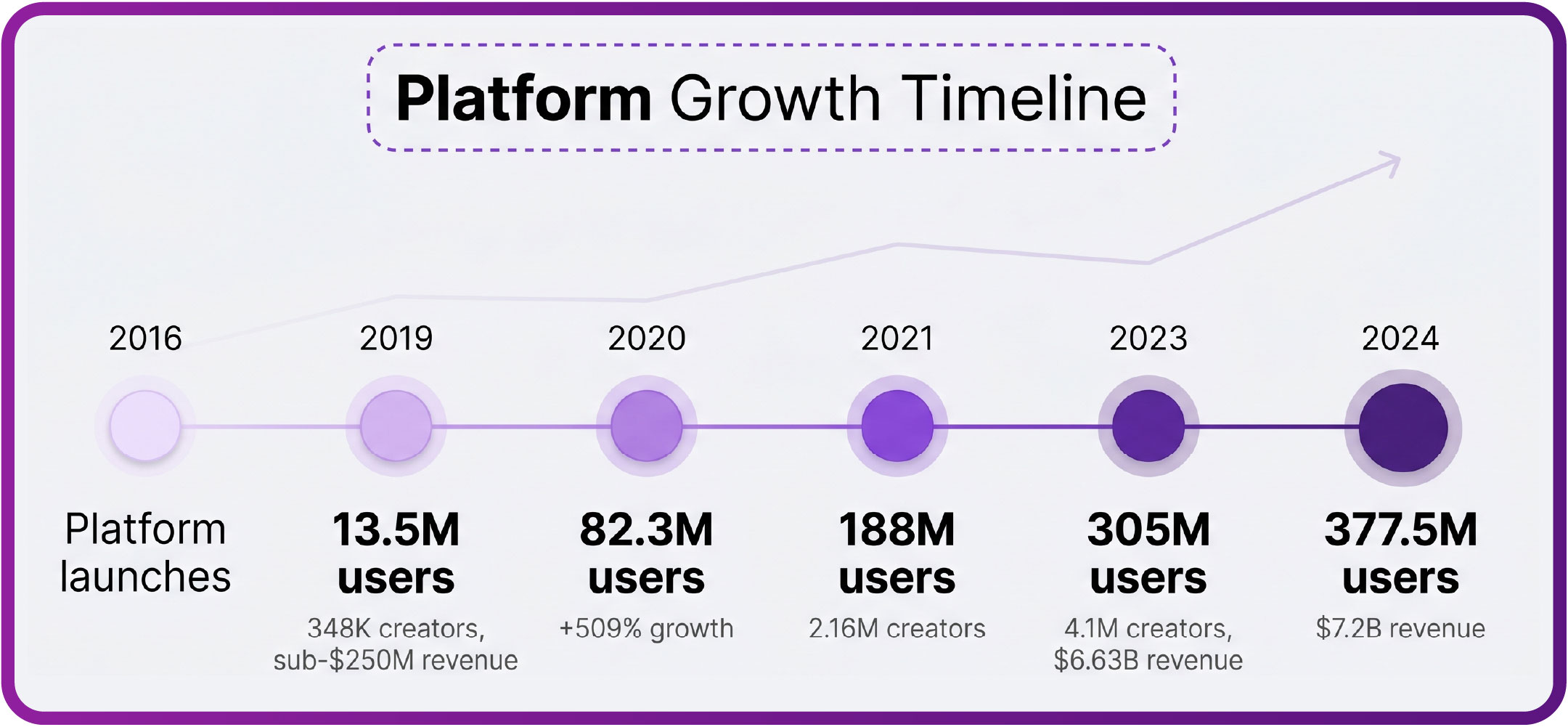
Growth in the platform’s user base means directories and ranking sites carry more listings than ever, and not all of them are reviewed. That scale is exactly why a subscriber-side check adds value. BestOnlyFans lists pages, but the final judgement still belongs to the person following. For a starting point, free onlyfans pics collects free pages.

Payment pressure
Free pages earn through pay-per-view messages and tips, which is normal and expected. The warning sign is not payment itself, but the speed and urgency with which it is requested. Early pressure is the pattern to watch.
| Request timing | Request style | Risk level |
|---|---|---|
| Immediately after follow | Urgent tip before any content is shared | High |
| First day | Repeated pay-per-view messages with deadlines | High |
| First week | Occasional paid offer with clear description | Moderate |
| After weeks of activity | Standard offer matching the stated bio | Low |
Remember that the platform takes a 20% fee on everything, including subscriptions, tips, and pay-per-view, and the creator keeps 80%. That structure is standard and is not a red flag by itself. What matters is whether payment requests are transparent and proportionate, or rushed and vague.
Warning: if a page raises its subscription price, auto-renew stops and existing access lasts only until the current paid period ends. On a free page there is nothing to renew, so treat every payment request as a fresh decision rather than a continuation.

Reporting and exit
Once a page looks fake, inactive, or misleading, the practical response is simple and quick. Acting early limits exposure and frees up your feed for pages that are actually maintained.
- Unfollow the page so it stops appearing in your feed.
- Use the platform’s report option and select the closest reason.
- Block the account if messages continue after unfollowing.
- Do not send further tips or unlock further pay-per-view messages.
- Save the username so you can recognise a renamed copy later.
- Remove any saved payment method you no longer want on file.
Reporting has a wider effect than most subscribers realise. It feeds the signals that ranking sites and directories use when deciding which pages to keep listed. This is also where a link like free onlyfans pics can help, since curated listings give you a second opinion before you follow.
Staying cautious
Caution is a habit rather than a single decision. The subscribers who waste the least time are the ones who apply the same short routine to every new page. These habits keep the process quick.
- Check profile age and post history before following, every time.
- Read the bio for specific claims you can verify against the posts.
- Skim the last two weeks of activity rather than the total post count.
- Ignore urgency in messages and decide later, at your own pace.
- Keep a short personal blocklist of usernames you have already rejected.
- Re-check a page after a month if you are unsure, since activity changes.
None of these steps require payment or personal details. They rely only on information the page already shows to anyone. That is what makes them usable as a routine rather than a one-off investigation.
A free page can be genuine, well-run, and worth following. The checks above do not assume the worst; they simply separate pages that show consistent signals from pages that do not. BestOnlyFans and other directories support that process, but the final call stays with the subscriber.
FAQ
Is a free OnlyFans page always a scam?
No. A free page is a normal setup where the price is set to $0 and the creator earns through pay-per-view messages and tips. The warning signs are about inactivity, copied profiles, and payment pressure, not the free model itself.
Why do free pages ask for tips so early?
Tips and pay-per-view are the only income on a free page, so requests are expected. The concern is timing and tone: urgent requests made immediately after you follow, before any content is shared, carry the highest risk.
Can I tell if a page is inactive without paying?
Yes. The last post date, the reply pattern, and the ratio of post count to account age are all visible before you spend anything. A page with no posts in over 60 days and no replies is likely dormant.
What happens if a creator raises the price?
Auto-renew stops, and existing access continues only until the current paid period ends. On a free page there is no active subscription to raise, so every payment request should be treated as a separate decision.